Threats to pollinators

The main pressures facing bees, butterflies, moths and hoverflies in South Pelion and across Europe.

Habitat loss and fragmentation
01high

Habitat loss and fragmentation

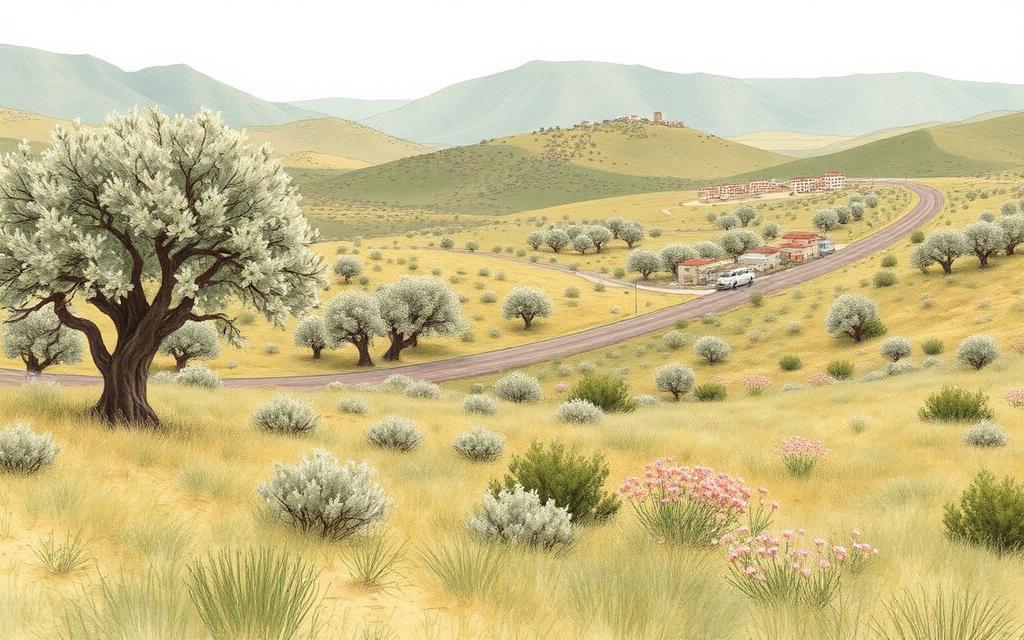
Conversion of meadows, maquis and traditional groves to roads, building sites and intensified agriculture is splintering pollinator habitat across South Pelion. Small, isolated patches cannot sustain the diverse plant communities that wild bees, butterflies and hoverflies depend on, and prevent species from moving as climate shifts.
Pesticides and herbicides
02high

Pesticides and herbicides

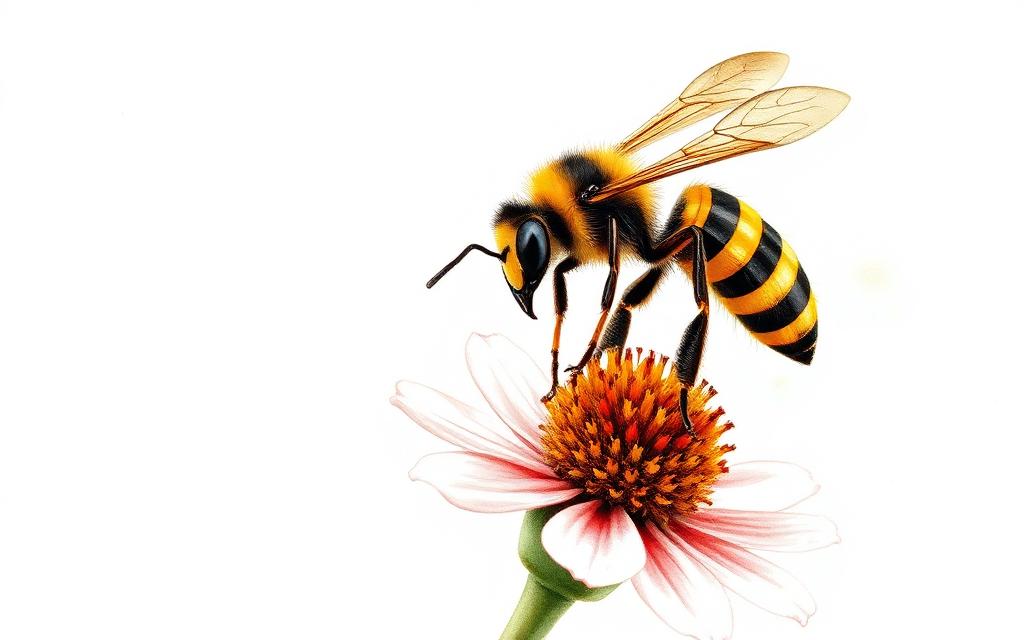
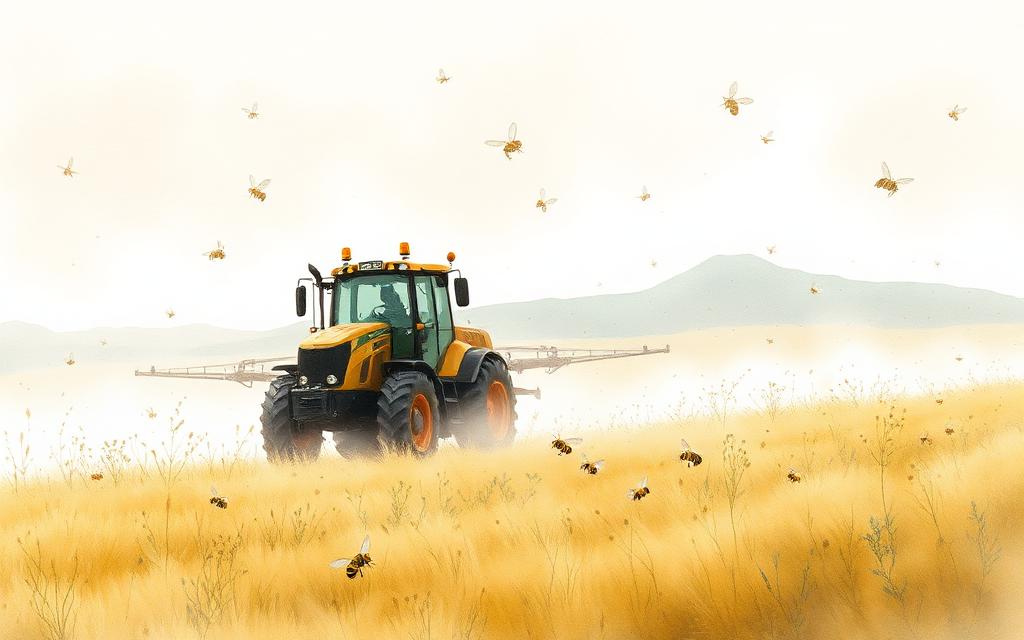
Neonicotinoid insecticides and broad-spectrum herbicides reduce both wild flowers and the insects that visit them. Even sub-lethal doses impair bee navigation, learning and reproduction. Drift from a single sprayed orchard can affect pollinators across an entire valley.

Climate change and drought
03high

Climate change and drought

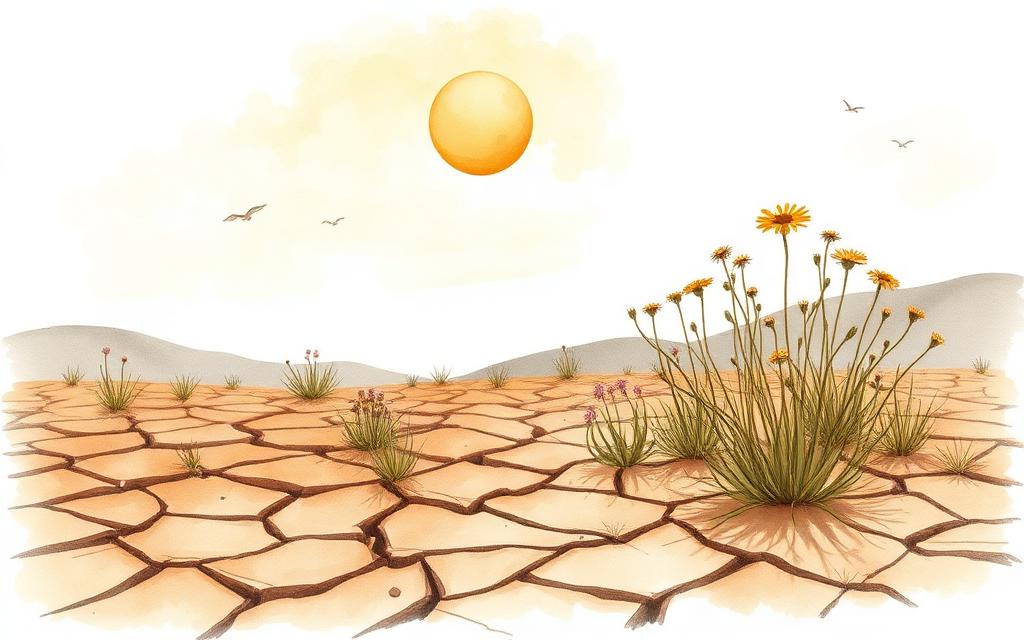
Hotter, drier summers shift bloom times out of sync with the insects that pollinate them. Prolonged drought shortens the flowering window for many Mediterranean plants, leaving bees and hoverflies without the nectar they need to rear the next generation.

Wildfires
04high

Wildfires

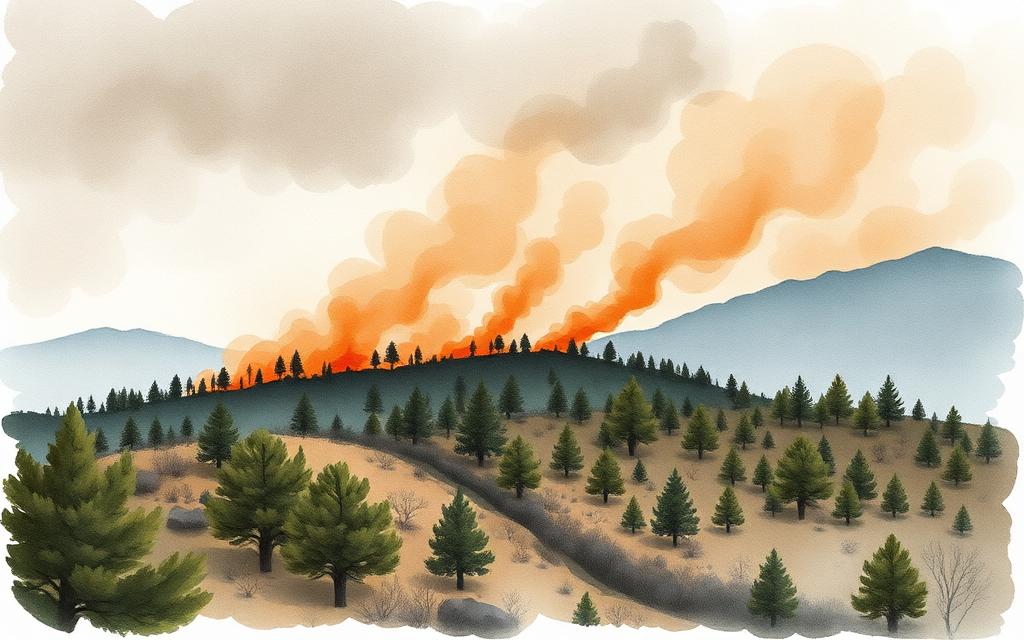
Pelion's pine forests and shrubland are increasingly hit by intense summer fires. Cavity-nesting bees, ground-nesting solitary species and slow-recolonising butterflies suffer the worst losses. Recovery of floral diversity after a severe burn can take a decade or more.

Loss of floral diversity
05medium

Loss of floral diversity

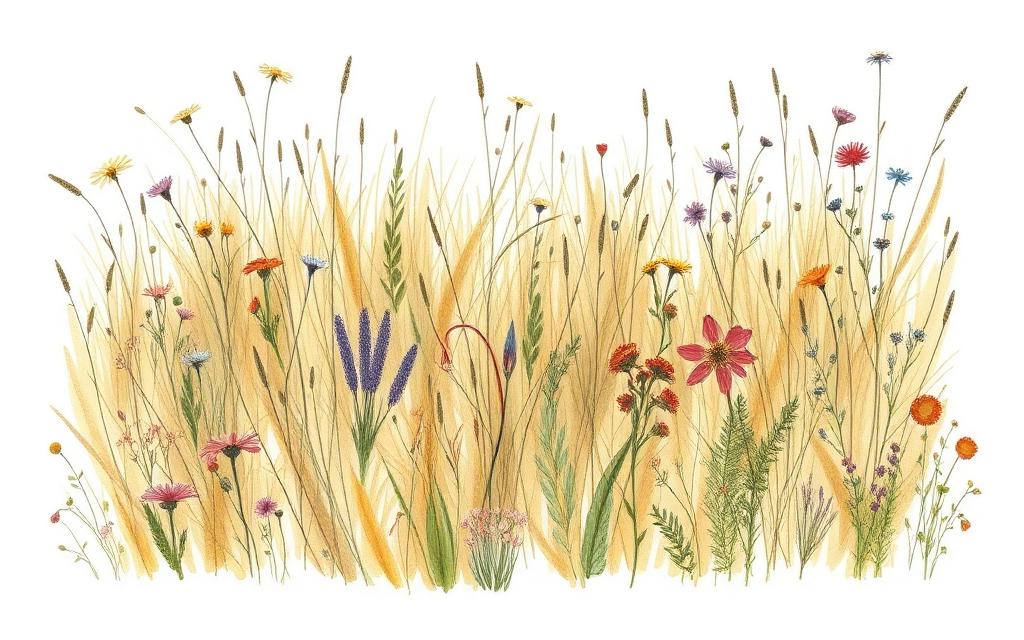
Overgrazing, abandonment of traditional terracing and the spread of monoculture all reduce the variety of wild flowers available through the season. Specialist pollinators, which depend on just a few plant species, are the first to disappear when floral diversity collapses.

Invasive species and disease pressure
06medium

Invasive species and disease pressure

Introduced plants outcompete native wild flowers, while non-native pollinators and pathogens — including diseases spread from managed honey bee colonies — put extra pressure on Greece's wild bees and hoverflies.